No. 01 / 06
bloc · 2023– · MLI · BFA · NER
01
Introduction
The Alliance of Sahel States (AES) is located in the Sahel region of West Africa, spanning a belt that separates the Sahara Desert to the north from the tropical regions to the south. Specifically, the AES is composed of three sovereign nations: Mali, Burkina Faso, and Niger.
02
The Scramble for Africa and the Making of Dependent Sahel
The Second Industrial Revolution marked the transition of capitalism into its highest stage, where European oligarchies violently partitioned Africa to extract surplus capital and seize raw materials like rubber, copper, petroleum, and cotton to feed their domestic production lines.
The Berlin Conference of 1884–85 is where European powers drew borders with no regard for existing political and cultural boundaries.
France claimed the vast territory of French West Africa, and the colonies that would become Mali, Burkina Faso, and Niger were assembled as administrative units designed to serve extraction: forced labor, head taxes, and the cultivation of cash crops for export.
The colonial economy was built to supply the metropole, not to develop local production, and this structure of dependency outlasted formal independence.
The CFA franc as the core mechanism of monetary dependency; the 1961 defence accords and French control over strategic resources (uranium, hydrocarbons).
The 1958 referendum: Touré’s “No,” Guinea’s independence, and the manufactured “Yes” in Niger; flag independence in 1960 without economic transformation.
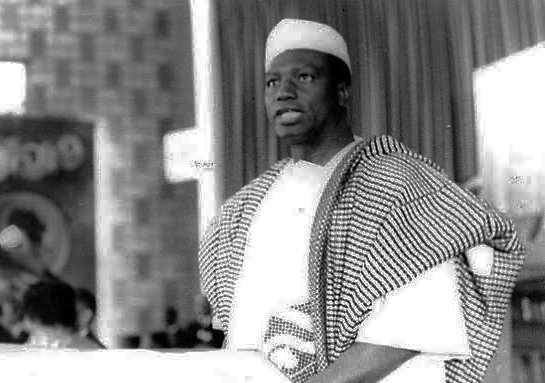
Keïta and the Malian franc (1962): a visionary whose policies shaped Mali’s national identity and its place in the world. His anti-imperialist attempt to break French monetary dominance was met with retaliation (diplomatic isolation, trade restrictions, withdrawal of French support), a material failure that taught the lesson the AES now applies.
03 · 1958–1963
The First Wave of Unity
Mali Federation (1959–60): Keïta and Senghor; the withdrawal of Upper Volta and Dahomey; collapse over the balance of power.
Ghana-Guinea-Mali Union (1961–63): Nkrumah’s vision of a nucleus for a United States of Africa; the Congo Crisis split; dissolution.
Materialist analysis of failure: no shared economic base, geographic non-contiguity, competing colonial administrative and linguistic systems, external pressure from France and Cold War powers.
Keïta’s Marxism-Leninism argued explicitly here: planned socialism, rural modernization, psychological decolonization.
04
Neocolonialism and the Security-First Decades
The 1968 military intervention against Keïta (French-backed); Mali’s re-entry into the CFA franc zone.
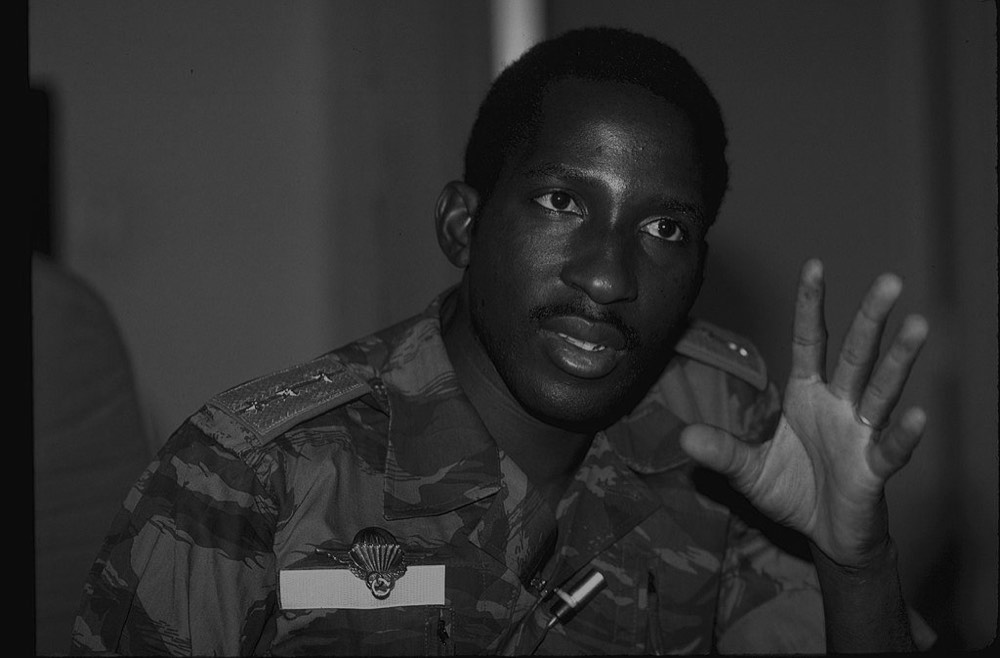
Sankara (1983–87): anti-imperialism, debt rejection, self-reliance, social transformation, including the gender program (FGC ban, forced marriage, polygamy; women in cabinet and military); assassination and the Compaoré regime.
SAPs and the 1994 CFA franc devaluation; the expansion of US military presence (Pan-Sahel Initiative, Trans-Sahara Counterterrorism Partnership).
Libya 2011: NATO intervention, arms proliferation, the destruction of a Pan-Africanist state project, the material catalyst for the jihadist insurgency.
G5 Sahel and Operation Barkhane: externally funded security serving French interests; the Liptako-Gourma Authority as technocratic, depoliticized development.
ECOWAS: from anti-colonial rhetoric to a liberal regional order; the CEAO subversion; sanctions after the military interventions.
05
The Popular Military Interventions and the Mass Base
2017–2022 mobilizations: CFA protests, the Bounti strike, French convoy incidents, the 2019 Mali protests.
Women in the mass movements and popular organizations; grassroots leaders and their support.
06
The AES: Formation, Structure, and Programme
Chronology: 2022 expulsions of French forces, 2023 Charter of Liptako-Gourma, 2024 confederation, 2025 ECOWAS exit.
Structure: collective defense, self-funding, repurposed Liptako-Gourma Authority, plans for a common currency and single passport.
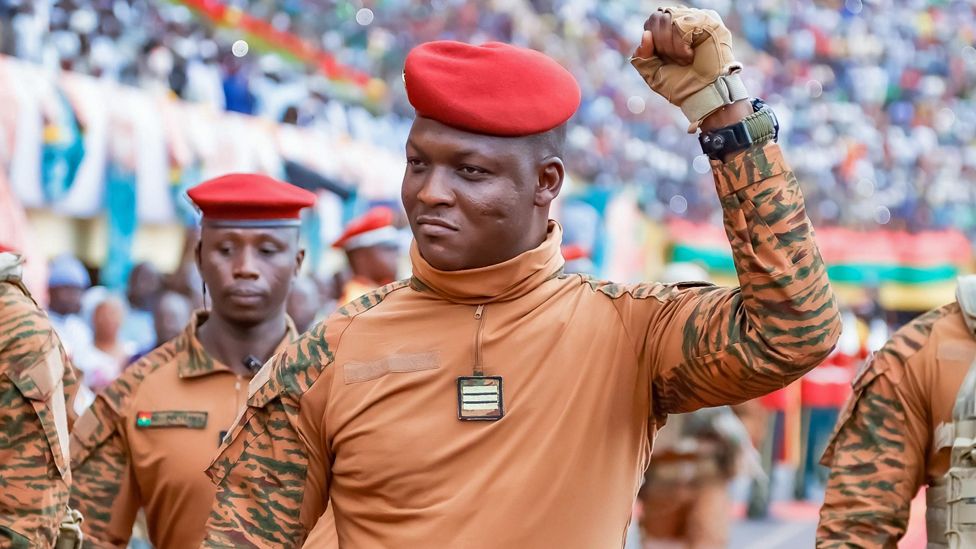
Profiles: Goïta, Traoré, Tchiani as products of this history, their class origins, Sankarist references, and the popular base behind them.
07
The Future of the Sahel: Building Sovereignty
Economic sovereignty in practice
Monetary and financial integration: the common currency plans and the political significance of delinking from the CFA franc; self-funding as the answer to the G5’s dependence.
Security cooperation: joint exercises, coordinated counterterrorism, the collective-defense charter as a functioning framework.
08